Do Mattress Encasements Stop Bed Bugs?
Mattress encasements are one of the most recommended bed bug tools — and one of the most misunderstood. Here's an honest look at what they do, what they don't do, and how to use them correctly as part of a real plan.
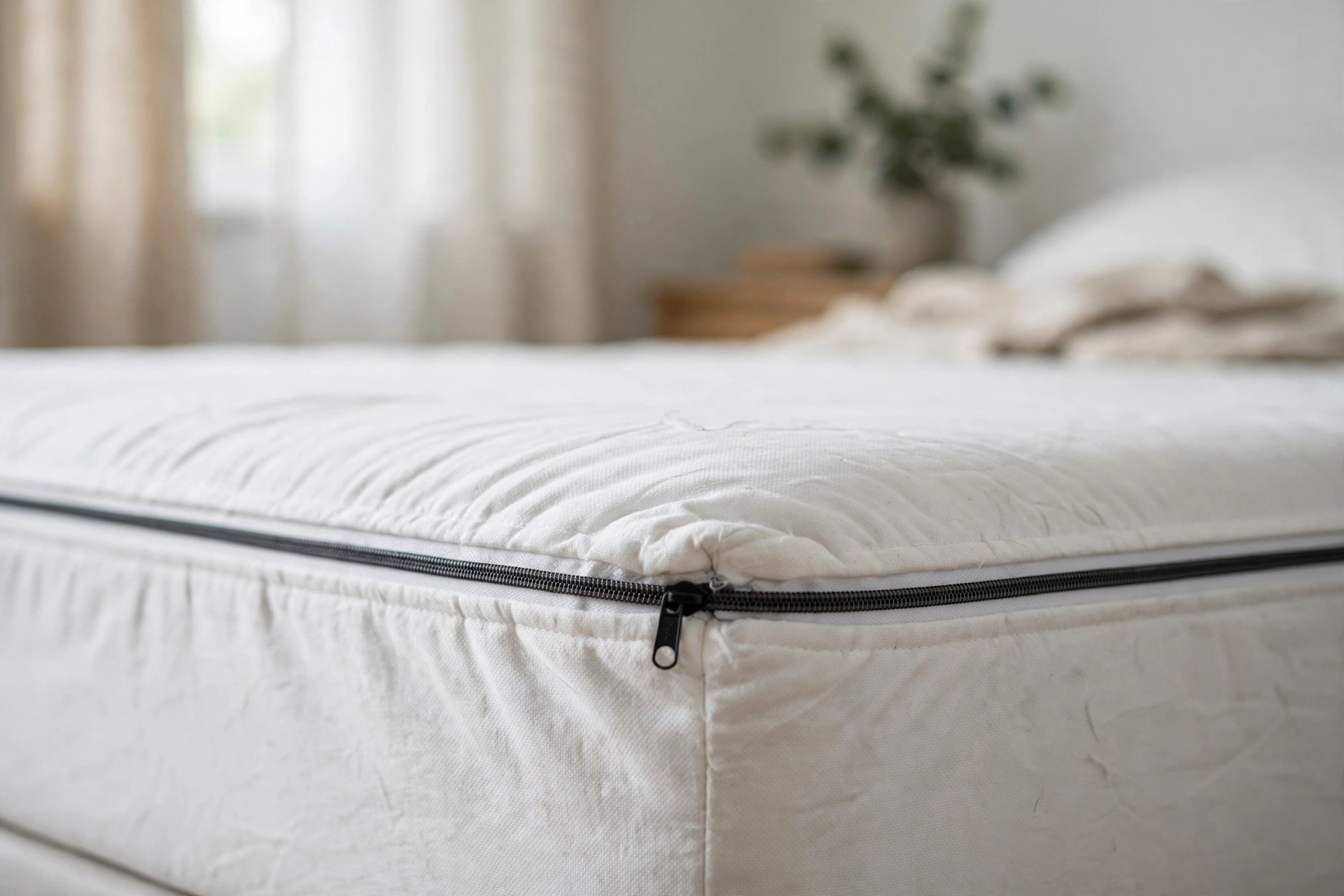
What a Mattress Encasement Actually Is
A mattress encasement is a fitted, zippered cover that completely surrounds your mattress — and, in a proper setup, your box spring too. A true bed bug encasement uses tightly woven fabric that bed bugs cannot bite through, with a zipper designed so even tiny nymphs and eggs cannot slip through. It is not the same as a mattress protector or pad; those cover the top but leave the sides, bottom, and seams fully accessible.
Encasements come up in almost every bed bug conversation — they are one of the most useful tools available, and one of the most misunderstood. Some expect one to solve an infestation alone; others skip them as an upsell. The truth is in the middle: excellent at specific jobs, useless at others, and most valuable as part of a complete strategy.
The Short Answer
Encasements do not eliminate a bed bug infestation by themselves — but they trap bugs already living in the mattress, block new bugs from moving in, remove the bugs' favorite hiding place, and make every future inspection faster and more reliable. They are a powerful supporting tool, not a standalone cure.
Call (239) 237-1318 to ask about professional-grade encasements.
What Encasements Do Really Well
These are the jobs encasements were designed for — and they handle them brilliantly.
They Trap Bugs Already Inside
Bed bugs living in your mattress or box spring cannot feed through a quality encasement, and they cannot get out. This instantly neutralizes one of the largest harborages in the room.
They Block New Bugs From Moving In
An encased mattress is sealed. Bed bugs wandering in from a nightstand, headboard, or wall cannot burrow in to hide and breed — they stay exposed, where inspections and treatments can reach them.
They Remove the Favorite Hiding Place
Mattress seams, piping, and tufts are the most popular bed bug harborage in most bedrooms. An encasement eliminates all of it at once, simplifying every treatment and follow-up inspection.
They Make Detection Easier
A light-colored encasement turns the mattress into a clean white surface. Dark spots, shed skins, and live bugs stand out immediately — so a new introduction gets spotted far earlier.
What Encasements Can't Do on Their Own
Understanding the limits matters as much as understanding the strengths — this is where most disappointment comes from.
They Don't Kill Bugs Elsewhere
An encasement only protects the mattress it covers. Bed bugs in the headboard, nightstand, baseboards, or wall voids are completely unaffected — which is why a professional inspection matters before you rely on one.
They Don't Stop Bites by Themselves
People are often surprised to keep getting bitten after encasing the mattress. The bugs simply feed from remaining harborages — bed frame, headboard, nightstand — and walk across the encased mattress to reach you.
They Fail If Torn or Unzipped
A rip, a broken zipper, or a cover removed "just for tonight" and forgotten creates an opening, and bed bugs will find it. Encasements work only while they stay sealed — permanently, not just during treatment.
Cheap Ones Can Be Worse Than None
Thin protectors marketed as encasements, with standard zippers and no bed bug-specific design, give false confidence. If you are going to encase, use a product actually designed and rated for bed bugs.
The Right Way to Install and Maintain an Encasement
An encasement is only as good as its installation. These details separate a working encasement from an expensive fitted sheet.
Encase the box spring too. The most-skipped step — and it undermines everything. Box springs are hollow wooden frames wrapped in fabric: practically a bed bug apartment complex. Encase mattress and box spring together, in every bedroom.
Check the zipper before you zip. Inspect the zipper teeth and the end stop where the zipper closes. A quality encasement has a zipper lock or Velcro flap covering the end stop — that tiny gap is exactly where a nymph would slip through. If the zipper snags or separates, replace the encasement.
Leave it on. Permanently. The most common mistake is removing the encasement after treatment "because the problem is gone." It is not a treatment bandage; it is permanent armor for the mattress. Keep it on for the life of the mattress.
Inspect it when you change the sheets. A quick glance at the encasement each time you change bedding takes seconds and catches tears early. A badly torn encasement should be replaced — a compromised seal is a false sense of security.
Installation Checklist
Mattress and box spring both encased. Zipper fully closed with the end stop covered. No gaps, bunching, or exposed fabric at the corners. Cover stays on permanently — through and after any treatment.
Ask us about professional encasement installation — call (239) 237-1318.
Encasements as Part of a Complete Strategy
Here is where encasements earn their keep: combined with inspection, treatment, and prevention, they multiply the effectiveness of everything else.
Start With an Inspection
Before buying encasements, confirm what you're dealing with. A professional inspection maps every harborage — mattress, furniture, walls — so encasements go on as part of a plan, not a guess.
Encase During Treatment
Whether treatment is heat, chemical, or a combination, encasing mattresses at the same time locks down the biggest harborage while the rest of the room is addressed.
Keep Them as Early Warning
After treatment, the light-colored encasement becomes your early-warning system. New dark spots or skins are visible immediately — a reintroduction gets caught in days, not months.
Pair With Ongoing Prevention
For frequent travelers, vacation rentals, or condos with shared walls, encasements plus scheduled professional checkups form a durable defense.
Get Encasements Done Right
Professional-grade, bed bug-rated encasements for mattresses and box springs — installed correctly as part of a complete protection plan.
Mattress Encasement Questions
Yes — this is the most commonly skipped step, and skipping it undermines the whole point. Box springs are hollow wooden frames wrapped in fabric, which makes them one of the best hiding places in the bedroom. Encase the mattress and the box spring together, in every bedroom, or the bugs simply relocate to the unprotected half.
Not through a quality bed bug-rated encasement — the fabric is designed specifically so they cannot bite or push through it. However, bed bugs do not need to bite through it: they can simply walk across the surface to reach you from harborages elsewhere in the room. That is why encasements are a harborage tool, not a bite shield.
Look for three things: fabric marketed and rated specifically for bed bugs (not just a waterproof protector), a zipper with a locking mechanism or Velcro flap covering the end stop, and a snug fit with no loose or exposed areas. If the product does not mention bed bugs explicitly in its design, it probably was not built for them.
You should not. The encasement is not a temporary treatment aid — it is permanent protection for the mattress. Removing it reopens the seams and piping to any future introduction, and in a travel-heavy area like Southwest Florida, future introductions are always possible. Keep it on for the life of the mattress.
It traps them, which effectively neutralizes that harborage. Bed bugs sealed inside cannot feed through a quality encasement and cannot get out, so they die inside over time. But bugs living anywhere else — headboard, nightstand, walls — are unaffected, which is why encasements work best alongside a proper inspection and treatment.
Usually not. Thin protectors with standard zippers can have gaps at the end stop that nymphs slip through, and thin fabric may not hold up to long-term use. Given that the encasement needs to stay sealed for the life of the mattress, this is one purchase where quality genuinely matters.
Talk to a Bed Bug Specialist Today
Call, email, or stop by — a real specialist answers, not a call center.